Beyond the Slop: Why Pragmatic AI Matters
When Merriam-Webster crowned "slop" as 2025's Word of the Year, it wasn't celebrating culinary innovation, it was acknowledging a crisis: relentless AI-generated garbage flooding inboxes, search results, and knowledge bases. For organisations, this isn't an annoyance. It's a cautionary tale about the difference between deploying AI thoughtfully and simply deploying AI.
At Datnexa, we've witnessed the divergence. On one side sits pragmatic AI: purpose-built solutions solving specific challenges with measurable outcomes and human oversight. On the other sits the proliferation of generic tools producing what experts call "content that's cheap to produce and expensive to trust", smooth prose, low information density, confident answers lacking substance.
The stakes are real. AI slop degrades decision-making, erodes brand trust, and creates "content debt that accrues interest daily in rework, customer confusion, regulatory exposure, and brand dilution". Pragmatic AI amplifies human expertise, accelerates impact, and delivers quantifiable returns. The difference lies not in the technology but in the philosophy guiding its deployment.

The Problem: AI That Produces Noise, Not Value
AI slop manifests everywhere. Marketing teams generate thousands of indistinguishable product descriptions. Development environments integrate coding assistants inserting subtle vulnerabilities. Support teams populate knowledge bases with vague guidance disconnected from actual organisational policies.
The feedback loop can make it worse. If auto-generated content gets fed back into training systems as trusted sources, creating "model collapse", AI trained on AI-generated data produces increasingly distorted output. Performance metrics show productivity gains while actual value creation declines, especially if managers reward volume.
When AI-generated content circulates at scale with "enough confidence that people stop double-checking," you no longer have helpful tools, you have a knowledge crisis.
The Alternative: Problem-First AI
Pragmatic AI inverts typical adoption. Rather than "What can AI do?" it asks "What specific organisational challenge creates friction, wastes resources, or limits impact?", then designs technology for that precise pain point.
This problem-first approach produces radically different outcomes:
Drives measurable action, not theoretical possibilities
Targets real organisational pain, not aspirational use cases
Integrates with existing workflows rather than forcing adaptation
Embeds governance from day one, not as an afterthought
Measures success by outcomes, not deployment milestones
The philosophy is simple: if frontline professionals don't actually use the tool, it's not a success, regardless of technical sophistication.
The Choice
Organisations face a fork: the path of least resistance, generic tools, minimal governance, speed-first, volume-focused metrics, produces slop now flooding digital environments. Attractive initially. Disastrous long-term.
The alternative path requires recognising that AI's power lies in solving specific problems better than humans can alone, not replacing human thinking entirely. It demands patience with real problems rather than enthusiasm for new technologies.
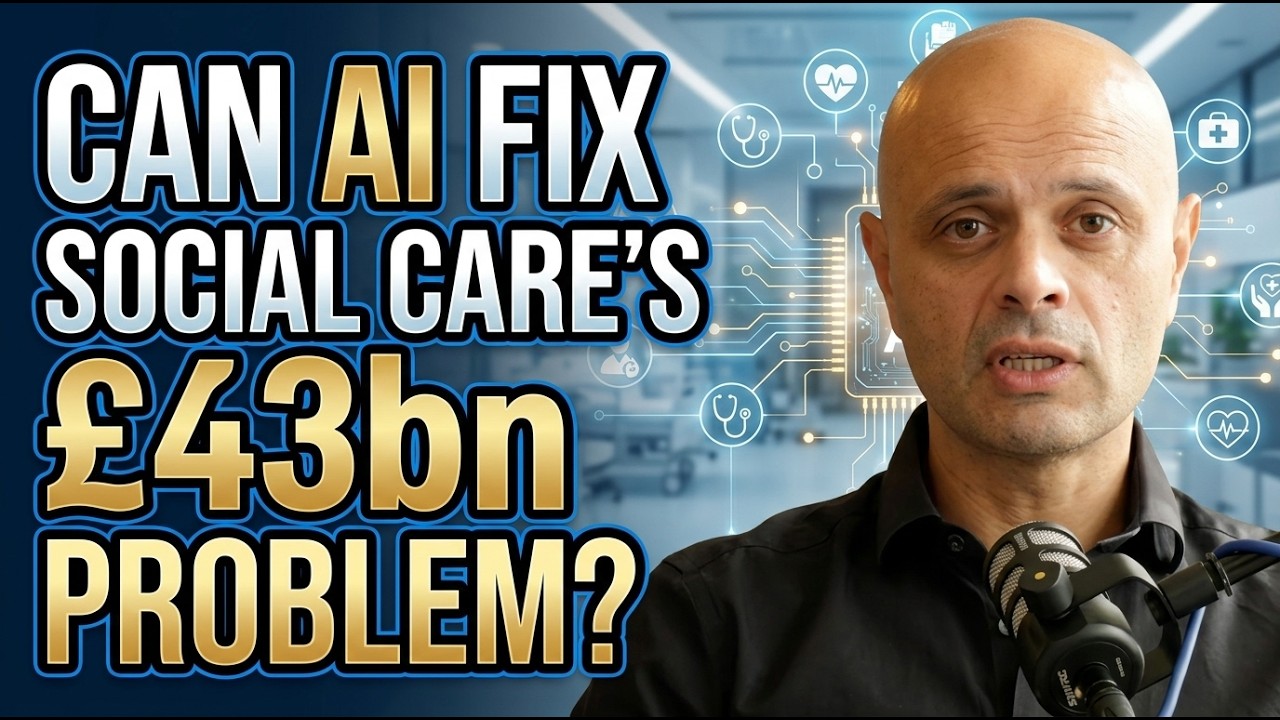
At Datnexa, we've chosen this path because we've witnessed what it produces: occupational therapists accessing expertise at midnight, communications directors spotting reputational risk weeks early, social care teams clearing backlogs.
The world doesn't need more AI. It needs better AI, AI that starts with human needs, amplifies expertise rather than replacing it, measures success by outcomes, and treats governance as essential, not optional.
This is pragmatic AI. This is what matters.